Lula wins Brazil election, defying Trump
The left-wing president's victory disrupts the US strategy for Latin America as trade and sovereignty disputes threaten to resurface.
By Emily Carter ·
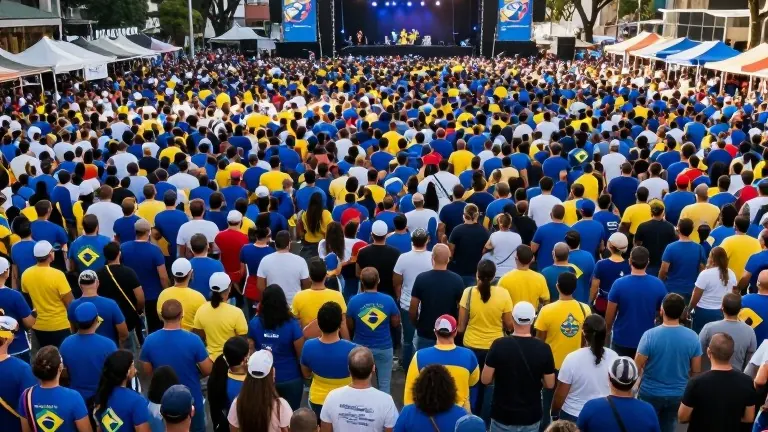
Brazilian President Luiz Inacio Lula da Silva declared his country would not accept being anyone's backyard in his victory speech on Tuesday. The statement served as a direct challenge to Washington and marked a setback for President Donald Trump's efforts to consolidate US influence in the Western Hemisphere.
Lula campaigned on a platform of national sovereignty, rejecting what he described as US interference in Brazilian judicial processes. His defiance resonated with voters and boosted his approval ratings. He accused the Bolsonaro family, who supported his rival Flavio Bolsonaro, of prioritizing US interests over domestic ones. This stance appealed even to some agricultural lobbyists who typically back the right but rely on trade with the United States.
The relationship between the two leaders has fluctuated in recent months. Trump recently imposed punitive tariffs on Brazil, a move Lula linked to the coup trial of former President Jair Bolsonaro. Lula responded by wearing a blue cap that read Brazil belongs to Brazilians. The US eventually reduced those tariffs, and the two men later met in the Oval Office. Trump described that meeting as very good, while Lula said he left very satisfied.
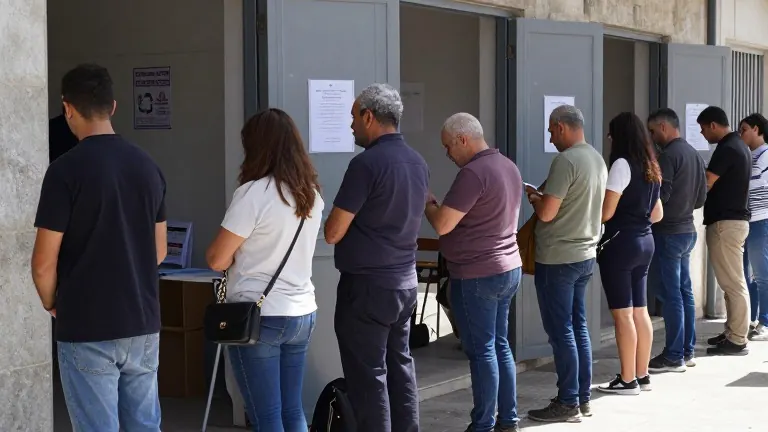
Trump’s reaction to the election result appeared mixed. He stated that he liked Lula and that they get along well. However, he also called the election terrible and rigged. Trump did not explicitly endorse Flavio Bolsonaro, but he remains a close ally of Flavio’s father, Jair Bolsonaro. Flavio Bolsonaro has refused to recognize the results despite the Supreme Electoral Court finding no evidence of irregularities.
Analysts suggest Brazil was viewed as a critical prize in the region. Christopher Sabatini, a senior fellow at Chatham House, noted that Trump considered Brazil the tenth and biggest prize after Flavio Bolsonaro won the first round. Brazil is Latin America's largest economy and holds the world's second-largest reserves of rare earth minerals. The US had sought preferential access to those resources and hoped to include Brazil in a coalition against narco-trafficking.
Several issues could reignite tensions over the next four years. The US and Brazil exchanged diplomatic blows earlier this year, including visa revocations for officials. Lula has also opposed US military actions in the region and criticized the designation of two major Brazilian gangs as terrorist organizations. The Trump administration has also expressed dissatisfaction with Pix, Brazil's instant payment system, which it views as a competitor to US-based Visa and Mastercard.
The upcoming schedule includes potential further diplomatic fallout if Trump continues to question the legitimacy of the result. Lula’s administration faces four more years in office, during which they will continue to push back against what they see as foreign meddling in domestic affairs.
Source: BBC News